
Home / Services / Crawl Space Insulation
Historic, Rural & Raised Homes
Crawl Space Insulation in Thomasville, GA
Insulation, air sealing and ground moisture control for the raised foundations under Thomas County homes.
Crawl space insulation around Thomasville starts with the ground under the house. Many historic homes near the downtown district and rural properties out toward Meigs, Pavo and Coolidge sit over vented crawl spaces with bare soil, brick piers and generations of damp air moving through. When Southwest Georgia humidity meets cool plumbing, ductwork and floor framing, moisture shows up as musty rooms, cupping hardwood floors and a house that never quite feels dry. Thomasville Spray Foam Insulation treats the crawl space as part of the home envelope, not as an afterthought under it.
Why crawl spaces here stay damp
Open foundation vents were supposed to let dampness escape, but through a Thomas County summer they pull humid outdoor air under the house instead. That air cools under the conditioned rooms above, drops moisture on joists and lines, then picks up more water vapor from exposed earth. Near the Florida line the water table sits high, and afternoon thunderstorms keep the ground charged with moisture for months. Insulation alone cannot fix that cycle unless air leakage and ground moisture are part of the scope.
Floor insulation or a sealed crawl space
There are two sound approaches, and the right one depends on what is under your home. Insulating between floor joists can slow heat movement, but batts in a damp crawl space tend to sag, hold moisture and fall away from the subfloor. A sealed crawl space closes outside vents and leaks, covers the ground with a vapor barrier and insulates the perimeter walls and rim band, often with closed-cell spray foam that resists moisture while it insulates. For many Thomasville homes, that sealed approach is the steadier long-term fix, and we explain both paths in plain language before pricing anything.
Protecting historic floors from below
Original heart-pine and hardwood floors are part of what makes a historic Thomasville home worth owning, and they are also the first thing to show moisture damage from a damp crawl space. Cupping, crowning and musty odors usually trace back to conditions under the house, not in it. Sealing and insulating the crawl space stabilizes the environment those floors sit over, and all of the work happens below the floor so plaster, trim and finishes stay untouched.
Rim bands, piers and plumbing gaps
Older raised foundations leave plenty of openings where the floor system meets the foundation: around the rim band, at pier pockets and where water lines pass through. Those gaps feed damp air straight into the floor cavity. Spray foam is useful here because it expands into odd shapes and seals while it insulates, instead of leaving a fitted batt with gaps at every notch. Closing the rim band and penetrations is one of the first places a crawl space job earns its keep.
What we check before quoting
We go under the house before we price the work. The visit looks at standing water history, soil exposure, vent openings, duct condition, insulation that has fallen, mold-friendly surfaces and the state of the rim band. Your written scope names the material, thickness and whether the plan is floor insulation, a sealed crawl space or a combination. Call 229-738-0304 or send the quote form to schedule. If upstairs heat is also on the list, see our attic insulation page, and learn about the material we use most on the spray foam insulation page.
Questions
Common questions
Why does my house smell musty in summer?
Vented crawl spaces under Thomasville homes pull in hot, humid air that condenses on cool surfaces and feeds musty odors, which then rise into the rooms above. Sealing leaks and covering the ground cuts off the source instead of masking it.
Should I insulate the floor or seal the crawl space?
If the complaints are musty air, condensation or cupped floors, sealing the ground and perimeter usually addresses the cause. Floor insulation alone can slow heat movement but leaves the damp environment below it unchanged. We inspect first and recommend based on conditions.
Can spray foam be used around brick piers and old plumbing?
Yes, when the area is dry enough and accessible. Foam conforms around irregular piers, rim boards and line penetrations better than cut batts, which is why it is often used at the leakiest edges of an older crawl space.
Want a crawl space quote based on what is under the house?
We inspect the ground, vents, framing and rim band first, then put the scope and price in writing.
Free written estimates • No obligation • Local team
Explore more
Other insulation services
 Attic InsulationAttic air sealing and insulation that reduce summer heat buildup and help Southwest Georgia homes cool more evenly.Explore service →
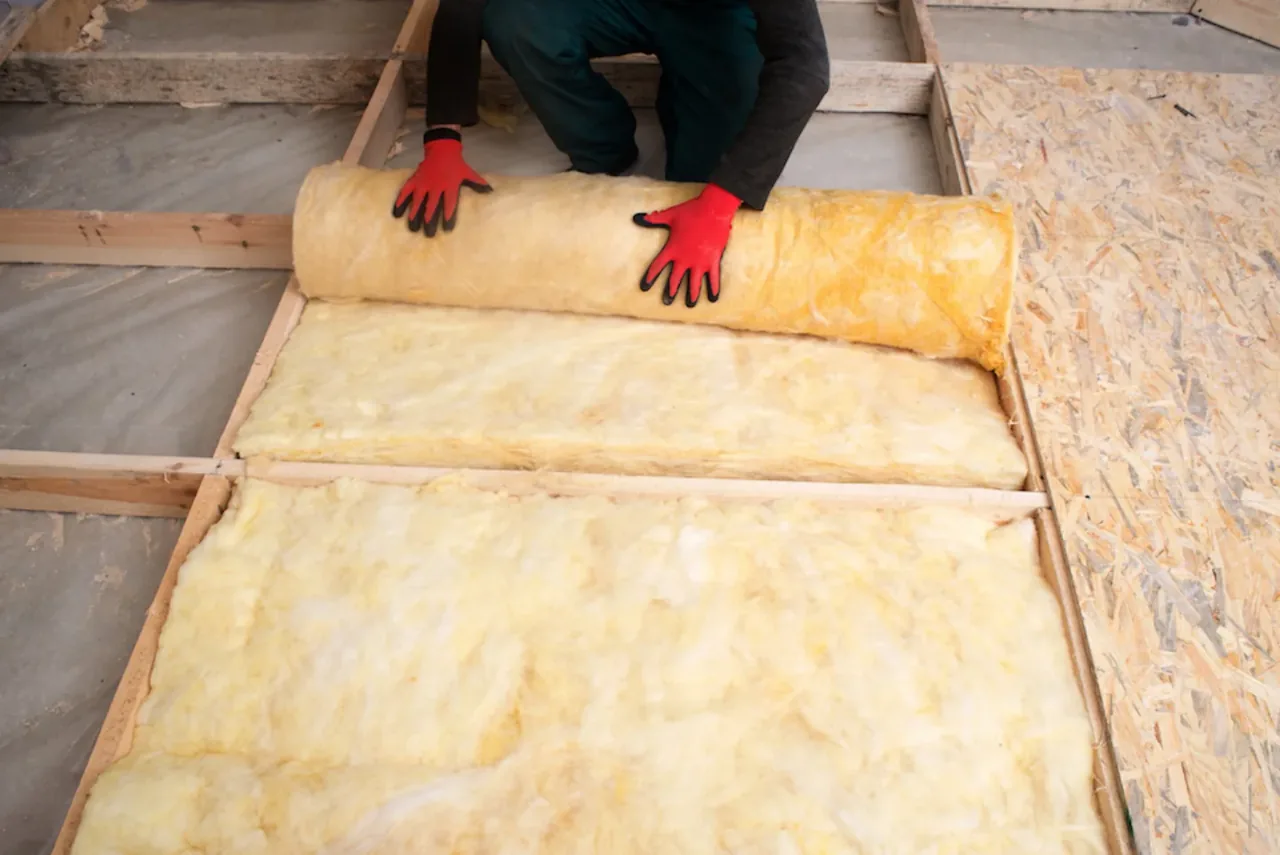 Spray Foam InsulationOpen-cell and closed-cell spray foam that insulates and air seals in one pass, including rim bands and crawl space walls.Explore service →